

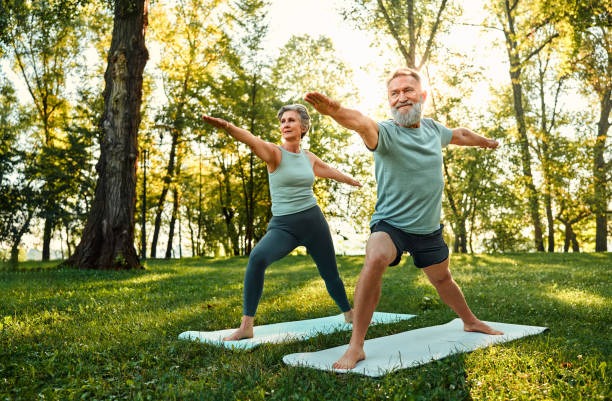
Relaxation and balance techniques have long been integral to enhancing physical and mental well-being. Over time, these methods have evolved significantly, reflecting advances in scientific understanding and shifts in lifestyle demands. Exploring the development of relaxation and balance practices reveals a fascinating journey from traditional approaches to modern innovations that cater to diverse needs. Historically, relaxation was often associated with simple rest or meditation, while balance focused primarily on physical stability through exercises like yoga or tai chi. These foundational practices emphasized mindfulness and body awareness but were largely limited by cultural contexts and available knowledge.
In recent years, the scope of relaxation techniques has broadened considerably due to research highlighting the connection between stress reduction and overall health. Techniques such as progressive muscle relaxation, guided imagery, deep breathing exercises, and biofeedback have gained prominence for their effectiveness in managing anxiety, lowering blood pressure, and improving sleep quality. These methods combine physiological understanding with psychological principles to create comprehensive strategies tailored for individual preferences. Meanwhile, balance training has expanded beyond traditional forms to incorporate technology-assisted programs aimed at reducing fall risk among older adults or rehabilitating injuries more efficiently.
Advancements in wearable devices now allow real-time monitoring of posture and movement patterns during balance exercises. This feedback enables users to make immediate adjustments that enhance effectiveness while minimizing injury risk. Virtual reality environments also offer immersive experiences where individuals can practice maintaining equilibrium under controlled conditions that simulate real-world challenges without danger. Such innovations demonstrate how evolving tools are reshaping the way people engage with balance improvement routines.
Moreover, integrating relaxation into daily life has become increasingly accessible through mobile applications providing guided sessions designed for various settings-workplaces, homes, or public read more spaces-addressing common barriers like time constraints or lack of privacy. The convenience offered by digital platforms encourages consistent practice essential for long-term benefits.
The interplay between mental calmness achieved through relaxation techniques and physical steadiness developed via balance training is gaining recognition as a holistic approach to wellness. Combining both elements supports cognitive function alongside motor skills enhancement while fostering emotional resilience against stressors encountered in everyday life.
As research continues uncovering new insights about nervous system regulation and neuroplasticity related to these practices, future developments may focus on personalized interventions powered by artificial intelligence or machine learning algorithms analyzing individual responses over time.
Overall, evolving relaxation and balance techniques reflect an ongoing commitment toward optimizing human health through integrative methods grounded in science yet adaptable enough for practical application across various populations worldwide.