

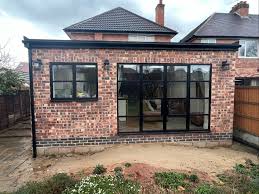
When planning a house extension, one of the most critical decisions involves selecting the right roof. The roof not only protects your home from weather elements but also influences the overall aesthetics, energy efficiency, and structural integrity of the extended space. Choosing the best roof for a house extension requires careful consideration of various factors including design compatibility, material durability, climate conditions, budget constraints, and long-term maintenance.
First and foremost, it is essential to ensure that the new roof integrates seamlessly with the existing structure. A poorly matched roof can disrupt architectural harmony and reduce property value. For instance, if your current home features a pitched roof with tiles, opting for a flat or metal roof on the extension might create an awkward visual contrast unless thoughtfully designed. Consulting with an architect or roofing specialist can help you identify styles that complement your home’s character while fulfilling functional requirements.
Material selection plays a pivotal role in determining both performance and appearance. Common roofing materials include asphalt shingles, clay tiles, slate, metal sheets, and synthetic options like rubber or plastic composites. Asphalt shingles are popular due to their affordability and ease of installation but may have shorter lifespans compared to slate or metal roofs which offer superior durability and resistance against harsh weather conditions such as heavy rain or snow. Clay tiles provide excellent insulation properties but tend to be heavier requiring stronger support structures.
Climate considerations are equally important when choosing roofing materials for extensions. In hot climates where sun exposure is intense year-round, reflective materials such as light-colored metals can reduce heat absorption thereby lowering cooling costs inside the home. Conversely in colder regions prone to snowfall or ice buildup on rooftops; steeply pitched roofs facilitate better drainage preventing leaks caused by melting snow accumulation.
Budget often dictates roofing choices since some premium materials come at significantly higher initial costs though they might save money over time through reduced repairs and enhanced energy efficiency. It is advisable to balance upfront expenses against long-term benefits while factoring in installation complexity; certain roofs require specialized labor which could increase overall project costs.
Maintenance requirements should not be overlooked either because different roofs demand varying levels of upkeep throughout their lifespan. Regular inspections for damage like cracked tiles or rust spots help prolong service life regardless of material type used on extensions.
In summary, finding the best roof for house extension planning involves harmonizing aesthetic appeal with practical needs based on structural compatibility, material advantages tailored to local climate conditions along with financial feasibility considerations aligned with future maintenance commitments ensuring that your extended living space remains safe comfortable attractive for years ahead.