

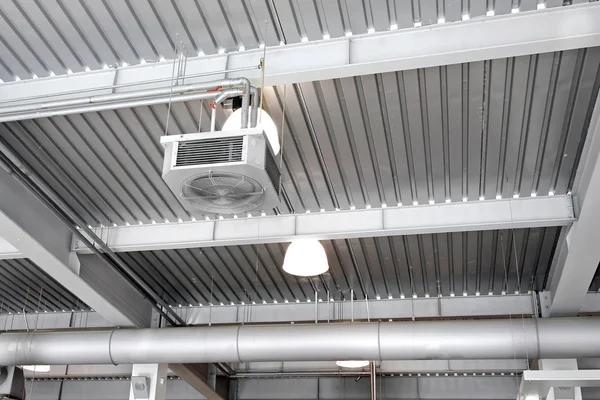
Commercial HVAC installations designed for efficiency play a crucial role in modern building management, offering significant benefits in energy savings, operational costs, and environmental impact. These systems are engineered to meet the specific heating, ventilation, and air conditioning needs of commercial spaces while optimizing performance through advanced technology and thoughtful design. Efficiency-focused HVAC solutions not only improve indoor comfort but also contribute to sustainable business practices by reducing energy consumption and minimizing carbon footprints.
The process of designing efficient commercial HVAC installations begins with a thorough assessment of the building’s size, layout, occupancy patterns, and existing infrastructure. Understanding these factors allows engineers to select appropriately sized equipment that matches the building’s demand without oversizing or undersizing components. Oversized units can lead to frequent cycling and increased wear, whereas undersized systems may struggle to maintain desired conditions. Proper sizing ensures balanced airflow distribution and consistent temperature control throughout the facility.
Incorporating high-efficiency components is another critical aspect of these installations. Modern commercial HVAC units often feature variable speed compressors and fans that adjust their output based on real-time requirements rather than operating at full capacity constantly. This adaptability reduces unnecessary energy use during periods of low demand while maintaining optimal comfort levels when needed most. Additionally, using see website energy recovery ventilators (ERVs) or heat recovery ventilators (HRVs) helps reclaim waste heat from exhaust air to precondition incoming fresh air, further enhancing system efficiency.
Automation technologies also enhance the performance of commercial HVAC systems designed for efficiency. Building management systems (BMS) equipped with smart sensors monitor temperature, humidity, occupancy, and air quality continuously. These data-driven controls enable precise adjustments that prevent overcooling or overheating spaces unnecessarily while ensuring adequate ventilation standards are met for occupant health and safety.
Regular maintenance plays an essential role in sustaining the efficiency gains achieved by well-designed installations. Scheduled inspections ensure filters remain clean; coils are free from debris; refrigerant levels are optimal; and mechanical parts operate smoothly without excessive friction or wear. Neglecting maintenance can degrade system performance significantly over time.
Energy-efficient commercial HVAC installations offer long-term financial advantages beyond immediate utility bill reductions by extending equipment lifespan through reduced strain on components. Furthermore, many jurisdictions provide incentives or rebates encouraging businesses to adopt greener technologies in their climate control strategies.
In summary, designing commercial HVAC systems with efficiency as a priority involves careful planning tailored to building requirements combined with advanced technology integration such as variable speed drives and intelligent automation controls alongside rigorous upkeep protocols-all contributing toward comfortable environments that support sustainability goals effectively.