
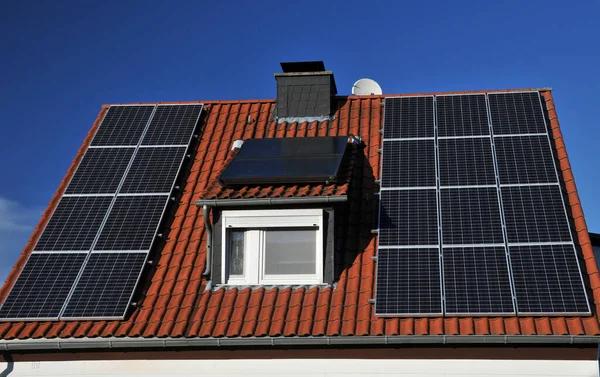
When installing solar energy systems, safety is a critical consideration that must be addressed through clear and specific requirements. These safety-focused standards ensure the protection of both installers and end-users while maintaining system reliability. Proper adherence to these guidelines minimizes risks such as electrical shock, fire hazards, and structural failures. Understanding the key aspects of safety in solar installations helps stakeholders implement effective measures throughout the process.
One fundamental requirement involves proper electrical wiring and grounding practices. Solar panels generate direct current (DC) electricity, which requires careful handling to prevent accidental shocks or short circuits. All wiring must comply with relevant electrical codes, using appropriate insulation materials and connectors designed for outdoor exposure. Grounding systems are essential to dissipate stray currents safely into the earth, reducing the likelihood of electric shock or equipment damage during faults or lightning strikes.
Another important aspect relates to overcurrent protection devices like fuses and circuit breakers. These components safeguard against excessive current flow that can cause overheating or fires within solar arrays or connected equipment. Correct sizing and placement of these protective devices are vital to ensure they function effectively under fault conditions without unnecessarily interrupting normal operation.
Fire safety considerations extend beyond electrical components alone; installation methods read more articles play a crucial role as well. Panels should be mounted securely on rooftops or other structures capable of supporting their weight without compromising integrity during wind loads or seismic events. Adequate spacing between modules allows heat dissipation, preventing hotspots that could lead to material degradation or ignition sources.
Inverter selection also impacts overall system safety since inverters convert DC power generated by panels into alternating current (AC) used by home appliances and grid systems. Modern inverters include features like arc-fault detection mechanisms that identify unintended arcing faults potentially causing fires if left unaddressed for long periods.
Compliance with local building codes is mandatory for all solar installations because regulations vary across jurisdictions depending on climate conditions, typical weather events, and grid interconnection requirements. Inspectors verify whether installations meet prescribed standards before approving them for use.
Additionally, user education plays an essential role in maintaining ongoing safety after installation completion. Homeowners should understand basic operational procedures such as shutting down the system during emergencies and recognizing warning signs indicating potential malfunctions requiring professional attention.
By prioritizing these safety-focused requirements from design through maintenance phases, solar energy systems can deliver clean power reliably while minimizing hazards associated with their operation.