
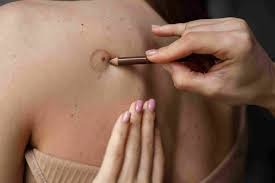
Moles are common skin growths that can appear anywhere on the body. While most moles are harmless, many people choose to have them removed for cosmetic reasons or due to concerns about potential health risks. Here, we address some frequently asked questions about mole removal to help you make informed decisions.
First and foremost, it’s important to understand what moles are. Moles are clusters of pigmented cells that often appear as small, dark brown spots on the skin. They can vary in color and size and may change over time. Although most moles are benign, it is crucial to monitor them for any changes in shape, size, or color as these could indicate malignancy.
One common question is why someone might need a mole removed. The primary reasons include aesthetic preferences and medical concerns. If a mole becomes bothersome due to its appearance or location—such as causing irritation when shaving—it may be considered for removal. Additionally, if a mole shows signs of being atypical or potentially cancerous (asymmetry, irregular borders, multiple colors), a dermatologist might recommend its removal for biopsy.
The methods available for mole removal depend on various factors such as the type of mole and its location on the body. Common techniques https://moleremovalat.com include surgical excision, where the entire mole is cut out with some surrounding tissue; shave excision, which involves removing the top layers of skin; and laser treatment that uses light energy to break down pigment cells within the mole.
Patients often wonder whether these procedures hurt. Generally speaking, local anesthesia is used during surgical methods like excisions so discomfort should be minimal during surgery itself although there might be mild soreness afterward requiring pain relief medication if necessary.
Another frequent concern regards scarring post-removal since no one wants unsightly marks left behind after having their moles taken off! The likelihood depends largely upon both individual healing characteristics plus chosen technique: while deeper cuts typically result in more noticeable scars than superficial ones done via lasers/shaving etc., skilled professionals will aim at minimizing this risk by employing appropriate suturing techniques alongside advising proper wound care guidelines following operation completion ensuring optimal recovery outcomes overall!
Finally yet importantly comes inquiry into insurance coverage possibilities related expenses incurred through undergoing any kind procedure mentioned above – unfortunately policies vary widely between providers hence best course action involves contacting company directly ascertain details specific plan beforehand avoid unpleasant surprises later down line financially speaking especially given elective nature many cases involved here unless medically indicated otherwise due suspicious features present initially prompting intervention necessity ultimately decided upon collaboratively between patient physician alike based evidence gathered throughout diagnostic process undertaken prior decision-making stage reached conclusively together moving forward confidently towards achieving desired results safely effectively efficiently possible under circumstances presented each unique situation encountered along journey wellness maintenance pursued diligently continually thereafter too!