

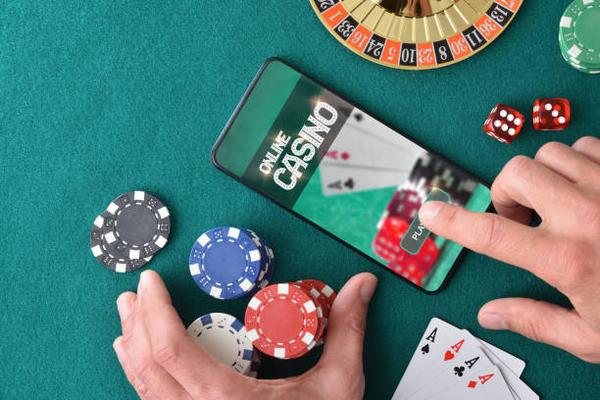
Online casino slots have become increasingly popular, drawing millions of players worldwide with their vibrant graphics and the promise of lucrative payouts. However, one question often lingers in the minds of both seasoned gamblers and newcomers: Are online casino slots truly random? Understanding the mechanics behind these digital games can shed light on this intriguing issue.
At the heart of every online slot machine is a Random Number Generator (RNG), a sophisticated algorithm designed to ensure fairness by producing unpredictable outcomes. The RNG operates continuously, even when the game is not being played, generating thousands of numbers per second. When a player presses ‘spin,’ the RNG selects a number that corresponds to specific symbols on the reels. This process ensures that each spin is independent, with no influence from previous or future spins.
Regulation plays a crucial role in maintaining randomness and fairness in online slots. Reputable online casinos are licensed and regulated by governing bodies such as the UK Gambling Commission or the Malta Gaming Authority. These organizations impose strict guidelines to ensure that RNGs function correctly and are regularly audited by third-party agencies like eCOGRA or iTech Labs. Such audits verify that games operate within expected parameters for randomness and payout オンラインカジノ スロット percentages.
Despite these assurances, skepticism persists among some players who believe that online slots may be rigged against them. This perception can stem from streaks of bad luck or misunderstandings about how odds work in gambling contexts. It’s important to remember that while outcomes are random, they are also subject to statistical probabilities defined by each game’s Return to Player (RTP) ratio—a percentage indicating how much wagered money will be paid back over time.
For instance, an RTP of 96% suggests that for every $100 wagered, $96 will be returned as winnings over an extended period; however, this does not guarantee individual results within short sessions due to variance—the natural fluctuations in wins and losses experienced during gameplay.
Moreover, human psychology often leads players into patterns known as “gambler’s fallacy,” where they mistakenly believe past events affect future outcomes—such as thinking a win is “due” after several losses—which contradicts true randomness inherent in properly functioning RNGs.
In conclusion, while skepticism remains among some circles regarding whether online casino slots are genuinely random, evidence supports their fairness when operated under stringent regulations with certified RNG technology. Players should choose reputable casinos committed to transparency and regulation compliance for assurance of fair play while enjoying these entertaining digital experiences responsibly.